Camelia Beauty: Elevating Modern Design with Elegant Script
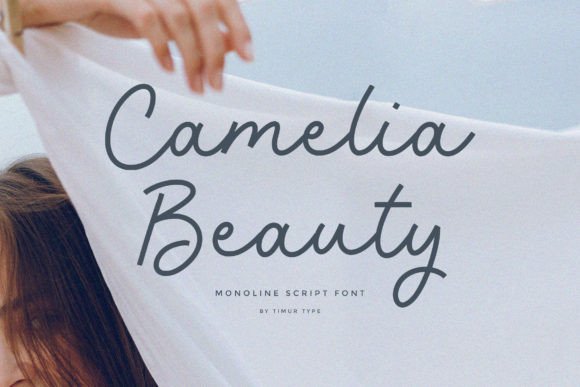
Imagine a font that captures the fluidity of a handwritten signature yet maintains the crisp consistency required for professional branding—this is the promise of Camelia Beauty. As a monoline script font inspired by Latin calligraphy, it offers designers a sophisticated tool for projects demanding both personality and polish. Its smooth, flowing lines and uniform stroke weight create a balanced, harmonious appearance that immediately elevates visual communication.
Understanding the Aesthetic and Functional Value
In graphic design, typography is more than just letterforms; it's a critical component of brand identity and user experience. Camelia Beauty serves as a prime example of how a well-crafted typeface can bridge elegance and functionality. The monoline structure ensures readability across sizes, while the script style injects a human, artistic touch. This makes it particularly valuable for designers aiming to create a modern aesthetic that feels both personal and professional.
Practical Applications Across Creative Projects
The versatility of a font like Camelia Beauty allows it to shine in numerous contexts. Its inherent sophistication makes it a strong candidate for projects where first impressions and emotional resonance are key.
- Branding and Logo Design: Use it to craft distinctive wordmarks or complementary script elements for lifestyle, beauty, or boutique brands seeking an elegant, artisanal feel.
- Marketing Materials: Enhance brochures, invitations, or thank-you cards with its graceful letterforms to convey exclusivity and attention to detail.
- Social Media Graphics: Create eye-catching quotes, headers, or promotional posts that stand out in a crowded feed, improving engagement through visual appeal.
- Packaging and Editorial Design: Apply it to product labels, magazine headlines, or book covers where a touch of refinement can significantly enhance perceived value.
- Digital and UI Design: Strategically use it for hero sections, CTAs, or accent text in web and app interfaces to guide the user’s eye and add a layer of visual hierarchy.
Integrating Typography into Your Design Workflow
Selecting a creative asset like a script font requires thoughtful consideration. To ensure it strengthens rather than complicates your design, evaluate it against your project's core needs. Consider its readability at intended scales, its compatibility with your existing color palette and imagery, and how it contributes to the overall visual hierarchy.
For instance, pairing Camelia Beauty with a clean, geometric sans-serif for body text creates a compelling contrast that enhances legibility while maintaining stylistic interest. Always test your typographic choices in context—mock them up on a website, a business card, or a social media template to assess their real-world impact.
Tips for Effective Implementation
- Maintain Consistency: Use the font purposefully within your brand system. Define its role—whether for headlines, accents, or specific callouts—to ensure a cohesive look.
- Prioritize Scalability: Confirm the font renders clearly in both large displays and smaller sizes, especially for responsive web design and print materials.
- Respect Audience Expectations: Align the font's stylistic nuance with your target demographic. A script font conveys creativity and approachability; ensure this matches your brand's voice.
- Leverage Contrast: Use it in tandem with complementary typefaces to create dynamic layouts that are both beautiful and easy to navigate.
Ultimately, the power of a well-chosen typeface lies in its ability to communicate on multiple levels. Assets like Camelia Beauty provide designers with the means to infuse projects with a distinct character, transforming standard layouts into memorable visual experiences. By thoughtfully integrating such tools into your creative process, you invest not only in aesthetic quality but also in clearer, more effective communication that resonates with your audience.