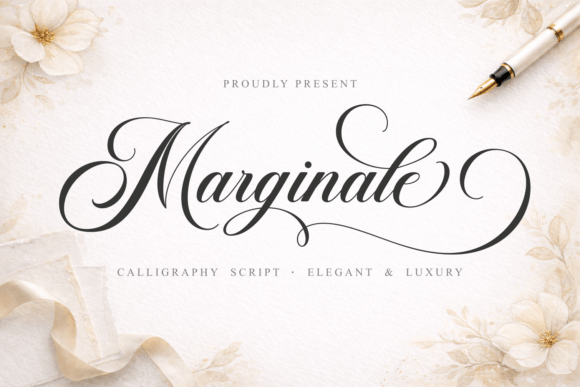
Elevate Your Designs with the Marginale Calligraphy Font
In the world of visual design, the right typography can transform a simple project into a memorable experience. Marginale, a graceful calligraphy script, offers exactly that kind of transformative power. It blends delicate curves with refined strokes, creating a timeless and luxurious feel that immediately elevates any visual composition. For designers and creators seeking to add a layer of sophisticated charm, understanding how to leverage such a font is key to modern branding and communication.
Understanding Marginale's Role in Modern Design
Typography is a cornerstone of effective visual communication. It sets the tone, conveys personality, and guides the viewer's eye. Marginale excels in this context because its flowing letterforms and stylish swashes are not merely decorative; they are functional tools for creating visual hierarchy and emotional resonance. In an era where brand identity must be both authentic and aesthetically compelling, a font like this provides a distinct advantage. It moves beyond basic legibility to inject character and intention into every letterform, helping brands tell a richer story.
Practical Applications for Creative Projects
The versatility of a well-crafted script font allows it to shine across numerous applications, enhancing both digital and print assets. Its inherent elegance makes it particularly suited for projects where a personal, premium, or artistic touch is desired.
- Branding and Logo Design: Use Marginale to craft distinctive wordmarks or logotypes that convey luxury, creativity, and attention to detail. Its unique style helps a brand stand out in a crowded marketplace.
- Marketing Materials: From brochure headlines to poster quotes, this font adds a human, handcrafted element to advertising campaigns and promotional content, increasing engagement.
- Social Media Content: Create scroll-stopping graphics for Instagram, Pinterest, or Facebook. The font's beauty is ideal for quotes, announcements, and story highlights that need to capture attention quickly.
- Website and UI Design: While primarily for display, Marginale can be used strategically for hero sections, pull quotes, or special landing page elements to add personality and break the monotony of standard web fonts.
- Editorial and Packaging Design: Enhance magazine layouts, book titles, or product packaging with its refined strokes, contributing to a cohesive and upscale visual experience.
Tips for Selecting and Using Script Fonts Effectively
Incorporating a decorative font like Marginale requires thoughtful application to maintain professionalism and clarity. Consider these factors to ensure your design choices are both beautiful and effective.
- Prioritize Readability and Context: Reserve highly stylized scripts for short, impactful text like titles, logos, or pull quotes. Avoid using them for long body copy, where readability is paramount. Always consider your audience's expectations and the project's goals.
- Ensure Scalability and Compatibility: Test the font at various sizes to ensure its details remain clear. Pair it with a simple, clean sans-serif or serif font for body text to create a balanced and professional typographic system that doesn't overwhelm the viewer.
- Leverage OpenType Features: Fonts like Marginale are PUA encoded, meaning you can easily access all glyphs, swashes, and alternates. Use these stylistic sets to customize letter combinations, adding a unique flair to headlines or monograms without compromising the design's integrity.
- Align with Brand Aesthetics: The font's character should complement your overall color palette, imagery, and brand voice. A luxurious script works best with design systems that value elegance and refinement, ensuring consistency across all touchpoints.
Ultimately, the tools you choose define the quality of your output. Investing in high-quality creative assets like thoughtfully designed fonts is an investment in your project's success. They provide the means to execute a clear visual hierarchy, strengthen brand identity, and create a polished, professional presentation that resonates with your audience. By making intentional typography choices, you enhance not just the aesthetics of your work, but its power to communicate and connect.